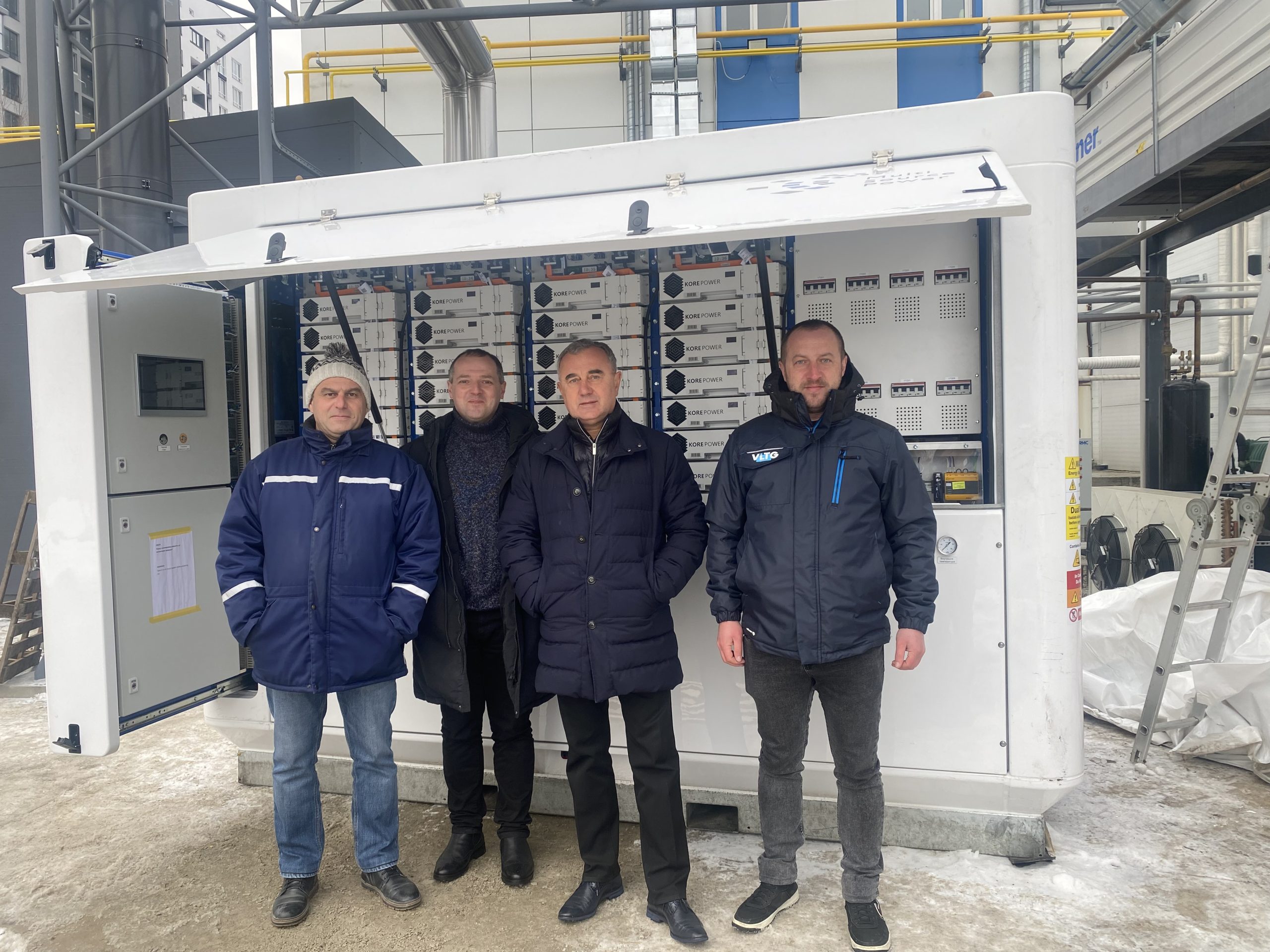
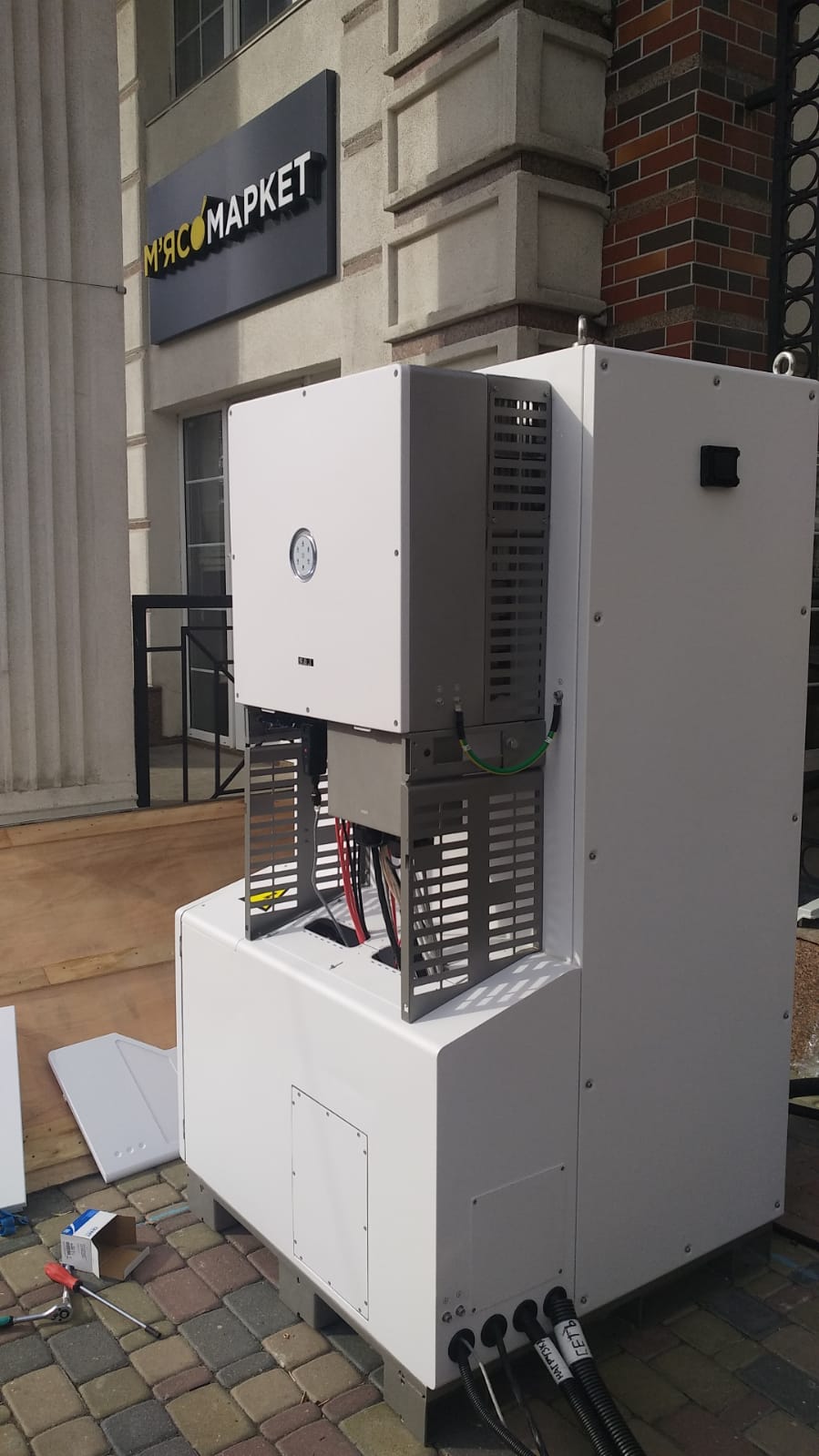
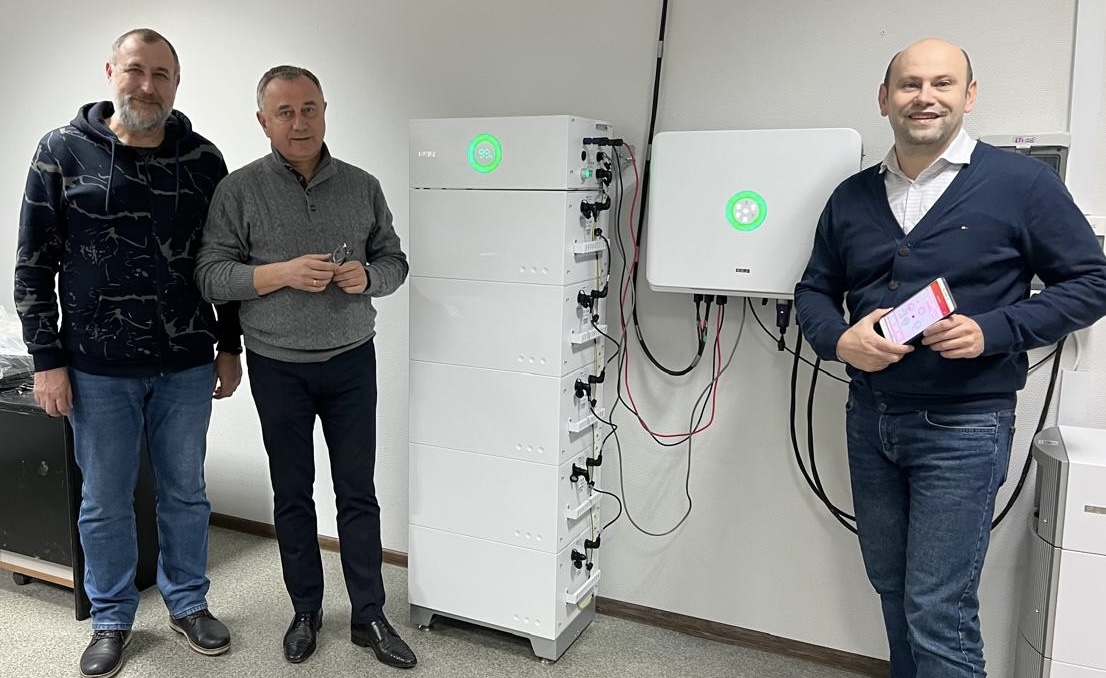
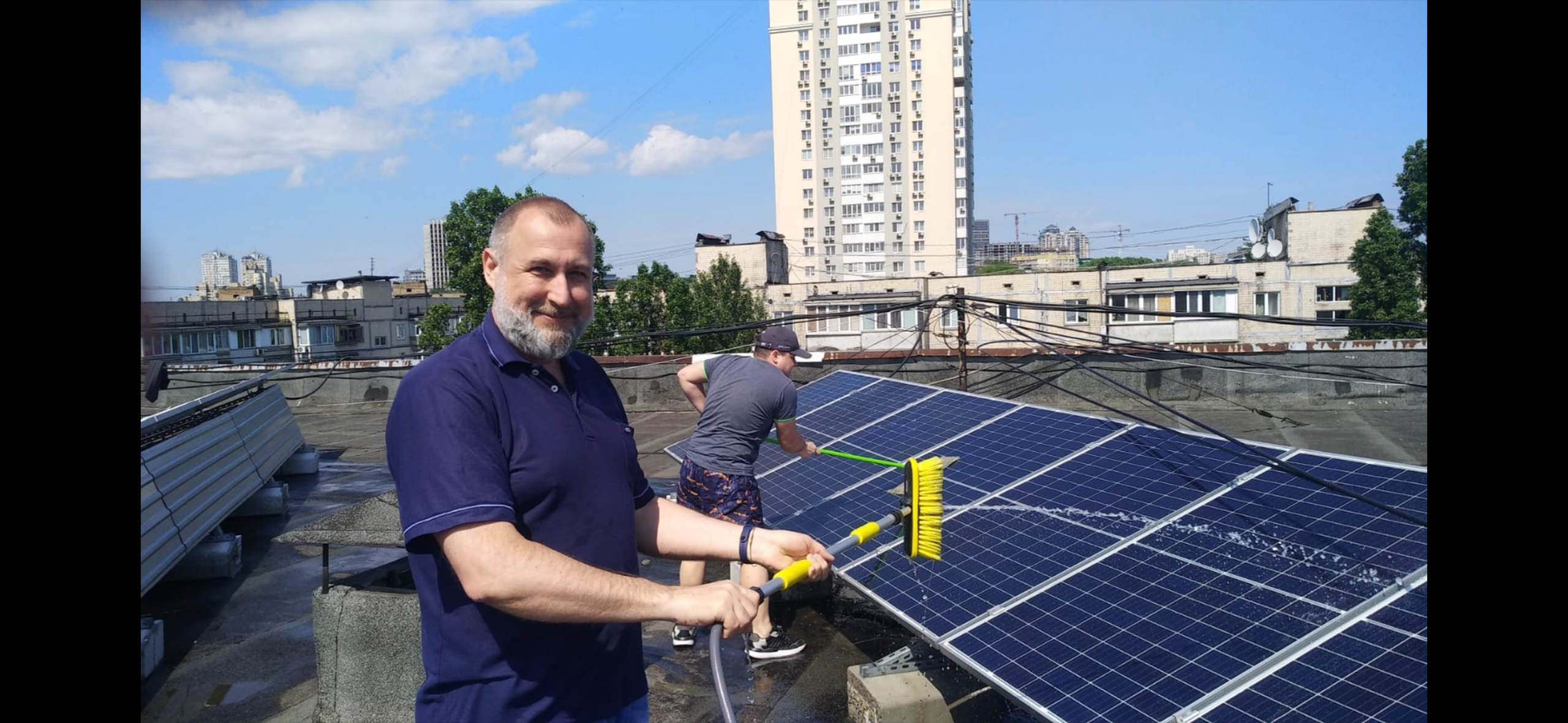
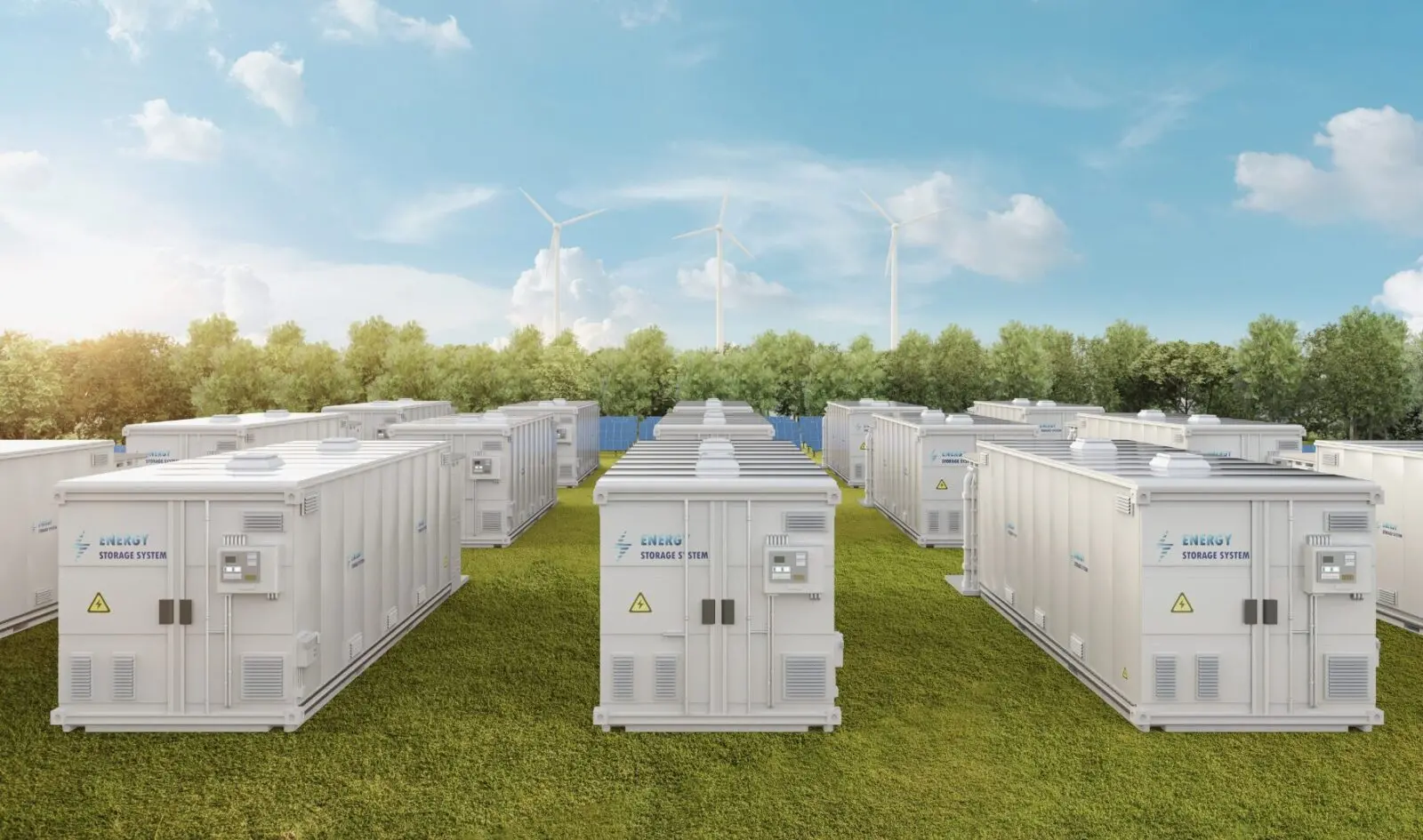
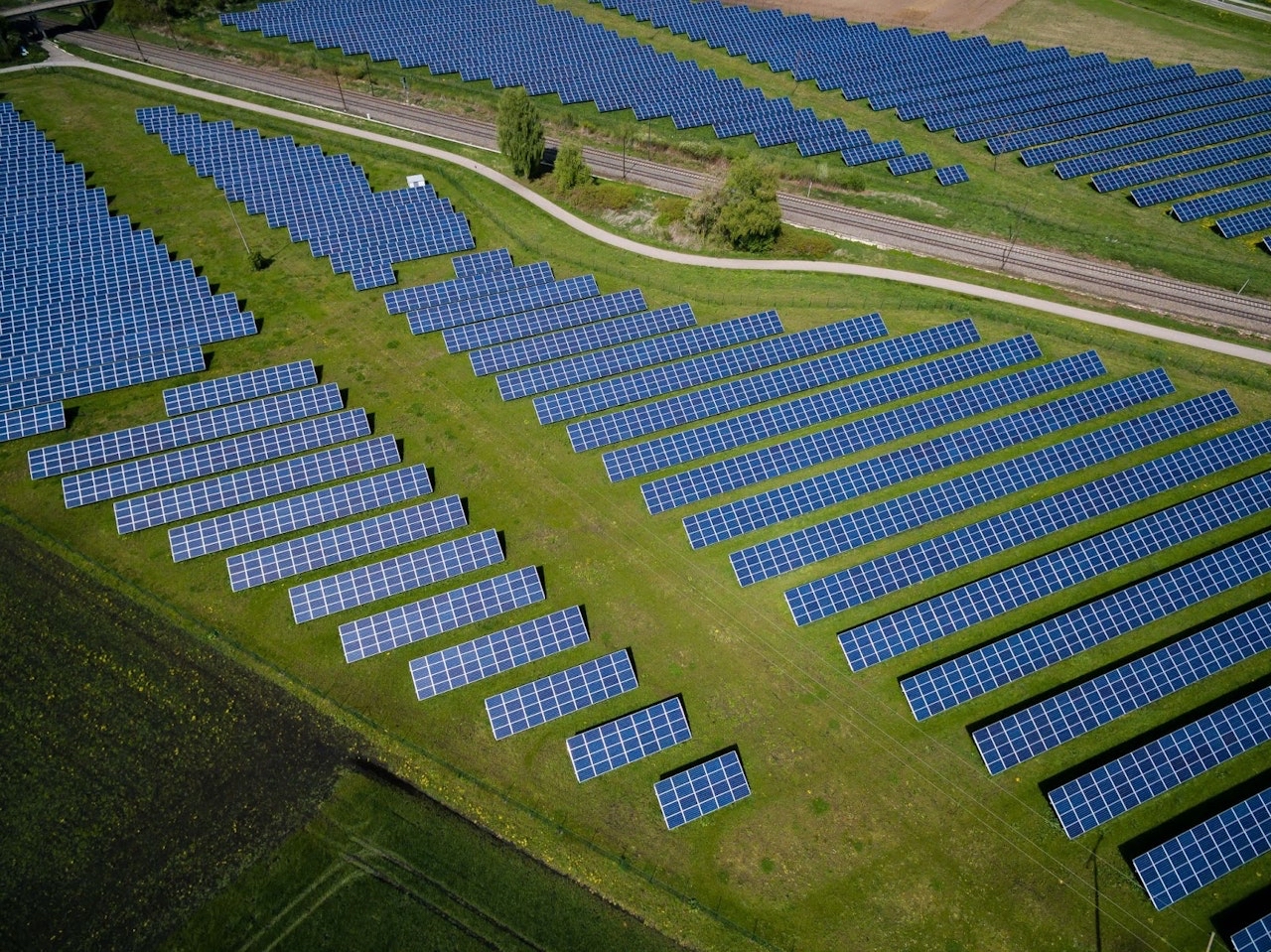
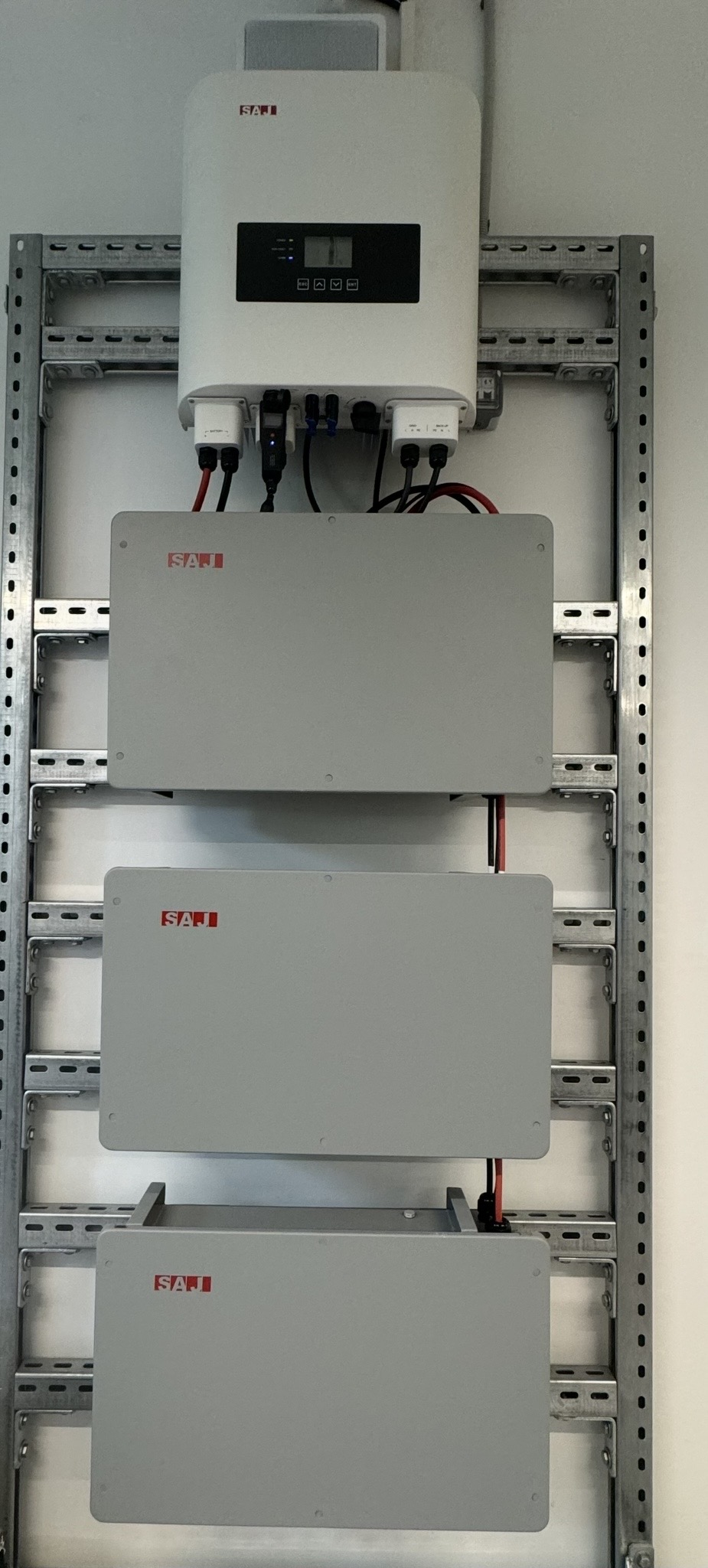
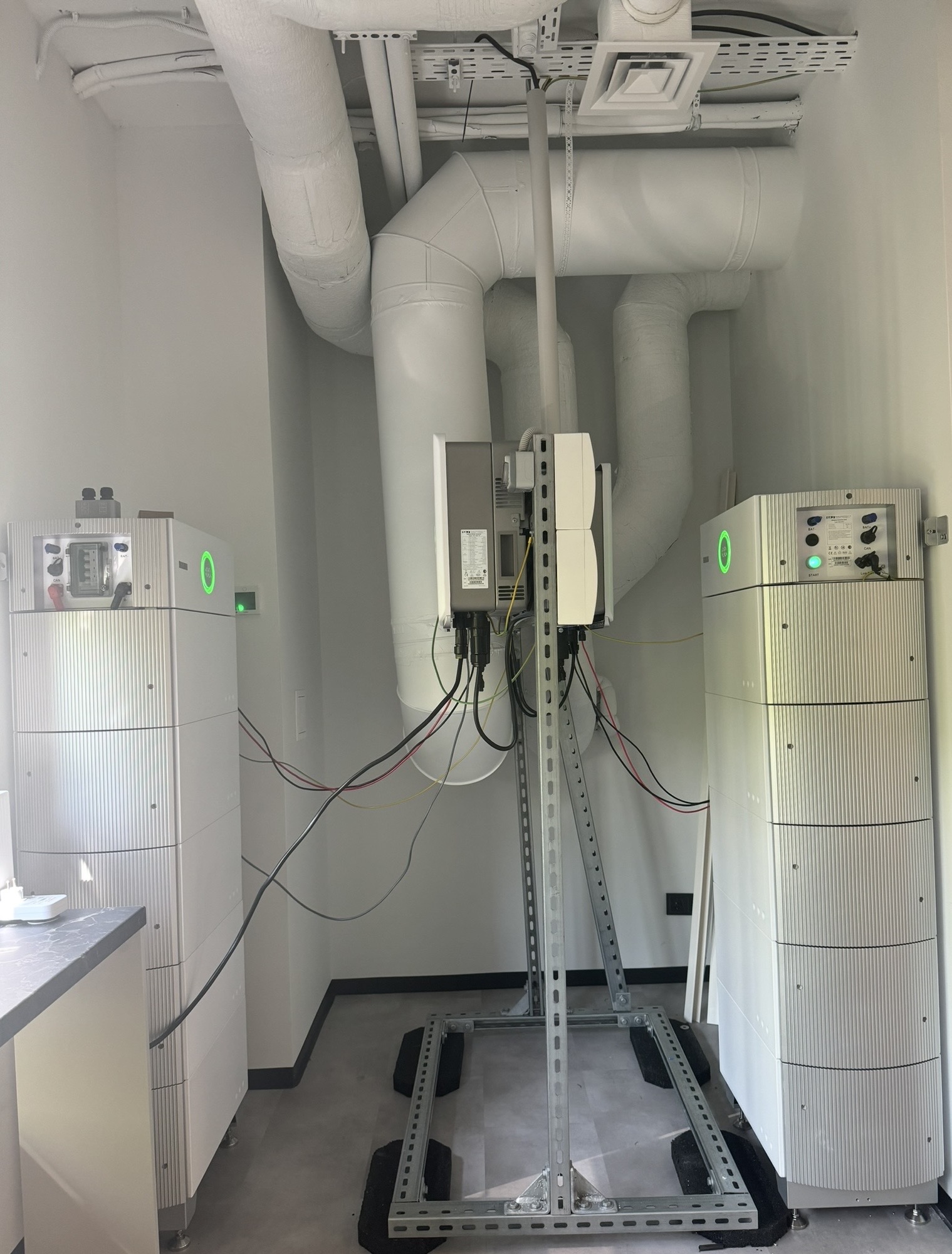
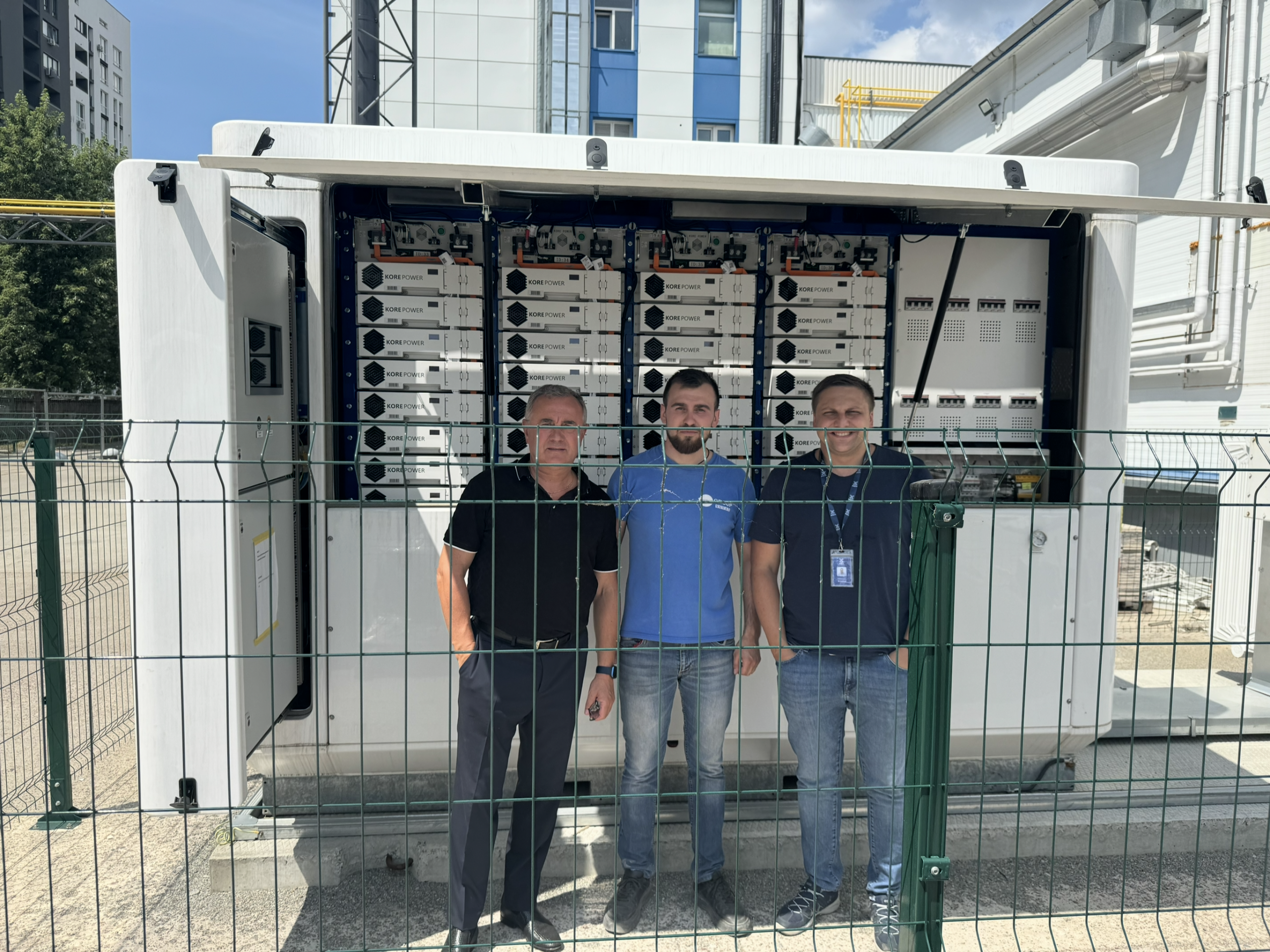
2025 became the year our team launched industrial energy storage systems integrated with industrial solar generation systems.
We gained deep experience operating in various modes, including the validation of financial and economic models.
Everything works like a Swiss watch.
Energy Storage Systems (BESS): Our 2025 Experience.

2 min read
Our BESS recommendations for 2026:
👍 LFP-BESS as the core technology. The standard for most 1–4 hour (and partly 4–6 hour) grid-scale and C&I projects due to the optimal balance of price, cycle life, and fire safety (compared to NMC).
👍 The market has shifted to 20-foot modules of 5–6.25 MWh.
👍 The AC-Block concept (where the battery and PCS are integrated into a single container/block) has become a massive trend for EPC speed and reproducible quality.
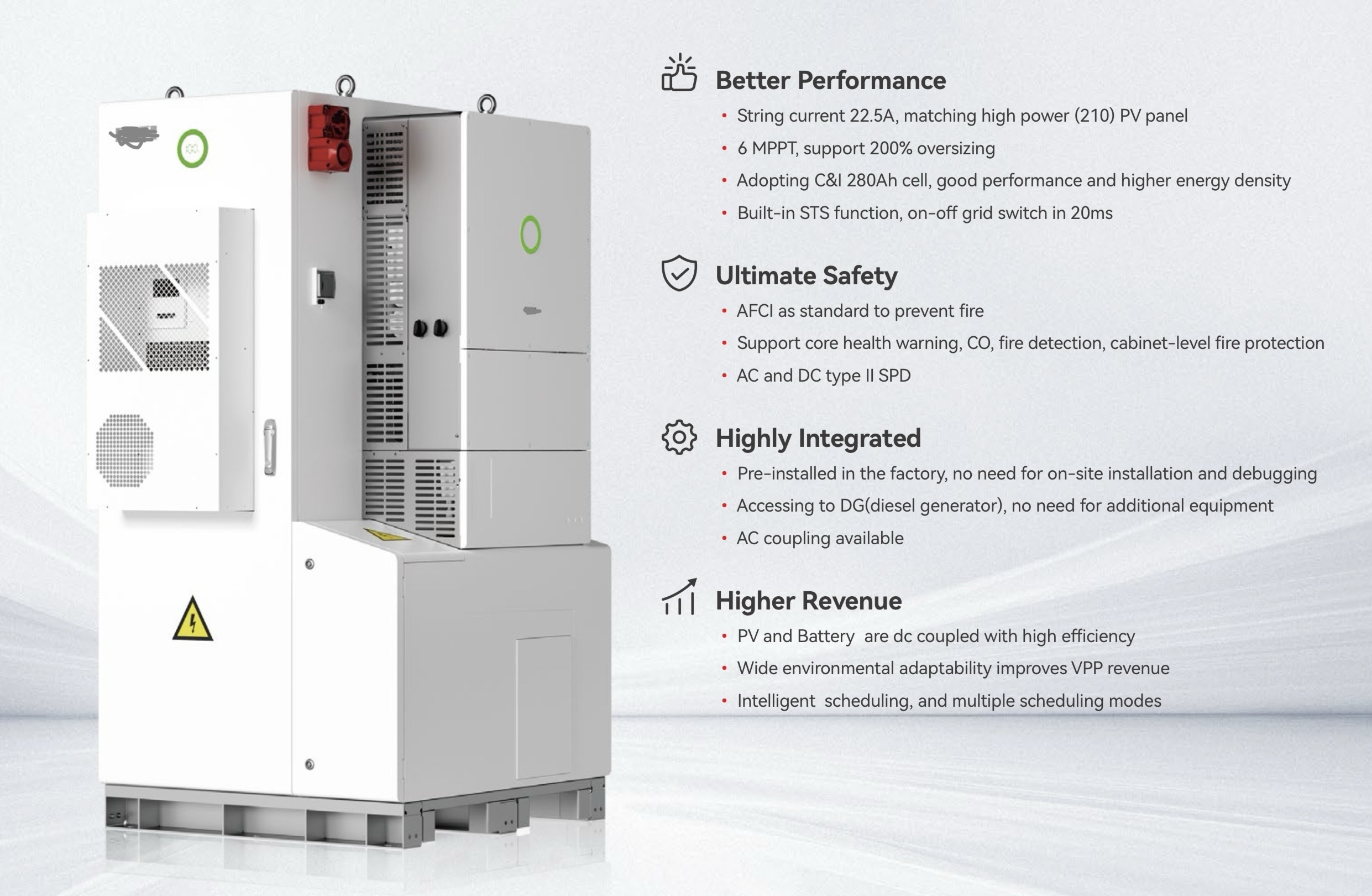
👍 High factory integration (battery + BMS + HVAC + fire safety).
👍 The de facto standard has shifted from 280Ah → 314Ah LFP (fewer connections/BoS, higher density, lower installation cost), alongside the transition to fully liquid cooling.
👍 System voltage at the mass utility-segment level has settled around 1500 V DC as the base architecture to reduce currents/losses and cut cabling costs.
👍 AC-Block or a highly integrated DC-Block.
👍 Liquid cooling, certified safety + a robust EMS (Energy Management System).
🎯 Key takeaway:
☝️ BESS-2026 means LFP as the core technology. A reliable, predictable, certified, and manageable energy storage system built for 20 years.
☝️ BESS has ceased to be merely an “innovative product” — it has become a key element of critical energy infrastructure, especially amidst the war in Ukraine.
‼️ Today 🌞➕BESS🟰 Energy security, partial independence, and a profitable business.
‼️ 100% guaranteed operation in island mode during a total blackout.
‼️ IRR >30% for self-consumption.
‼️‼️ HIGH LEVEL OF ENERGY SECURITY for your enterprise ‼️‼️
Our advice:
Just take it and do it. If you have any questions, feel free to ask.
We are happy to help for free.
🤝